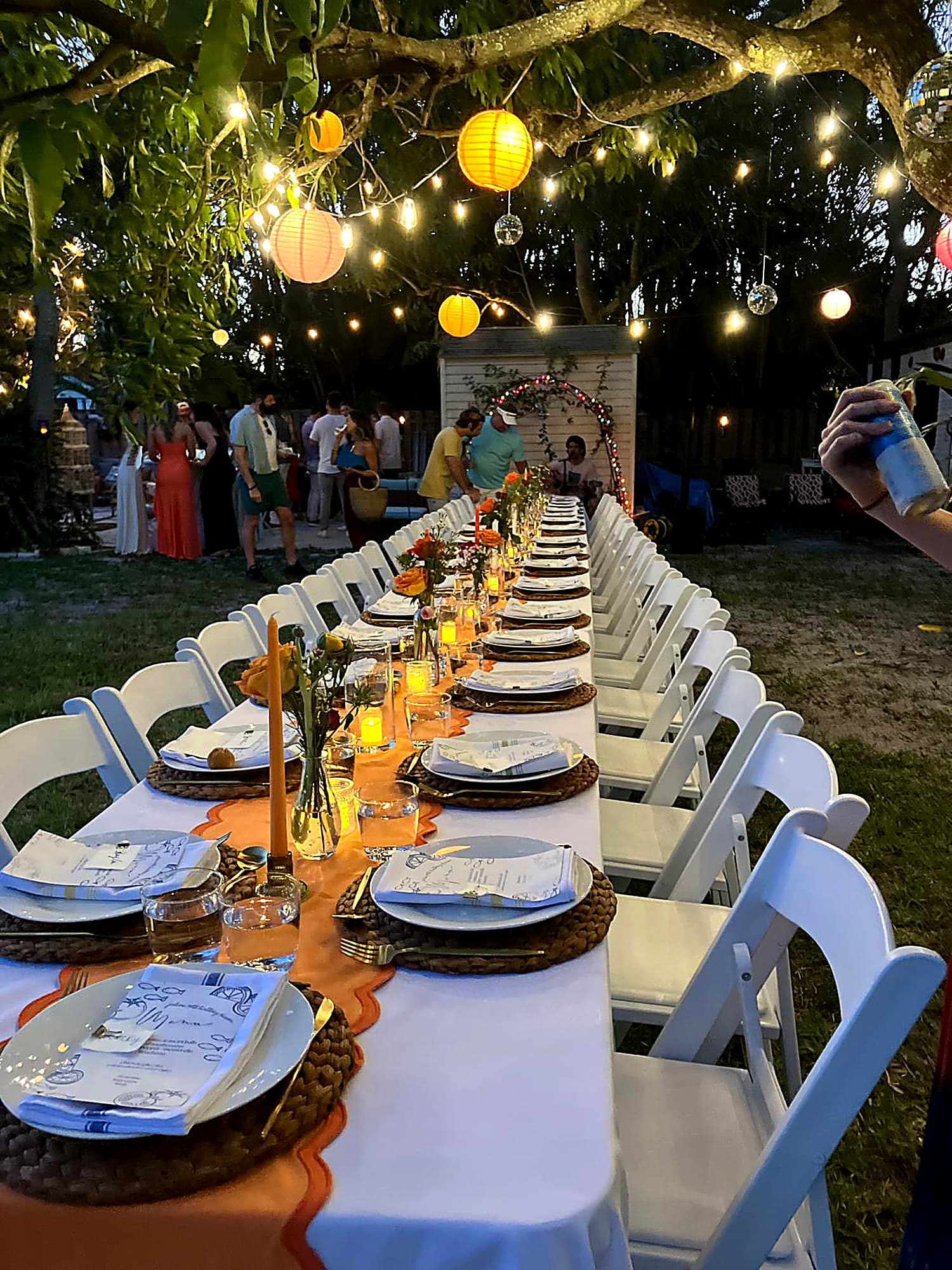
What to Know Before Hiring a Wedding Caterer in South Florida
The moment a couple sits across from me to discuss their wedding menu, I see it immediately—the mix of excitement and quiet overwhelm. They've toured venues, chosen flowers, debated color palettes. But when it comes to food, they often feel adrift. What should a wedding meal actually accomplish? How do you find a wedding caterer in South Florida who understands your vision without needing a translator? And perhaps most pressingly: how do you know if someone will deliver on the most important meal you'll ever host?
These are the questions I hear weekly in West Palm Beach, from couples planning waterfront celebrations in Palm Beach to intimate garden receptions in Coral Gables. In this guide, I'll share what I've learned from years of cooking for weddings across South Florida—the honest truths, the red flags, and the details that separate a forgettable buffet from a meal your guests will discuss for years.
Understanding What a Wedding Caterer Actually Does
When couples begin searching for wedding catering, many assume they're simply hiring someone to cook and serve food. The reality runs much deeper. A skilled caterer becomes a logistical partner, a creative collaborator, and often a calm presence on a day filled with emotion.
Beyond the Kitchen: The Full Scope of Catering Services
My role begins months before anyone tastes a single bite. I visit venues to understand kitchen facilities, assess serving logistics, and identify potential challenges—whether that's a historic Palm Beach estate with a charming but compact prep space, or a beachside location where wind and heat demand careful menu planning. I coordinate with wedding planners, florists, and rental companies to ensure seamless timing.
On the day itself, my team handles everything from setting up stations to managing meal pacing, ensuring your first course arrives precisely as toasts conclude. We clear, reset, and transition between courses while remaining nearly invisible. The goal is simple: you and your guests should experience only the pleasure of the meal, never the mechanics behind it.
Why Location Matters for South Florida Weddings
South Florida presents unique considerations that out-of-area caterers often underestimate. Our climate influences everything—from ingredient selection to service style. Delicate sauces behave differently in August humidity than they do in January. Outdoor receptions at venues in Boca Raton or along Fort Lauderdale's coast require menus that maintain integrity in warmth, presentations that won't wilt, and timing calibrated to golden-hour service.
Local caterers also bring established relationships with regional farms, fishermen, and specialty purveyors. I source citrus from groves I've visited in Martin County, seafood that arrived that morning at Pompano docks, and tropical produce at its honest peak. This network of suppliers shapes the quality and character of every plate I send out.
Questions to Ask Any Prospective Wedding Caterer
The consultation process reveals more than any website or portfolio. The questions you ask—and the answers you receive—will help you distinguish between competent professionals and true partners for your celebration.
About Their Experience and Approach
Start with specifics. How many weddings have they catered in the past year? Have they worked at your venue before? What's their relationship with the venue coordinator? A caterer who knows the quirks of a particular Palm Beach or Miami venue—the generator location, the service entrance timing, the kitchen's limitations—will anticipate problems before they arise.
Ask about their culinary perspective. Do they have signature dishes, or do they build each menu from scratch? What excites them about cooking for weddings? The answers reveal whether food is their craft or merely their business.
About Logistics and Contingencies
Dig into the practical matters. What happens if a key ingredient becomes unavailable the week before? How do they handle last-minute guest count changes? What's their staffing ratio for service? For a seated dinner, I maintain roughly one server per twelve to fifteen guests—enough for attentive service without crowding.
Ask about tastings. A thoughtful caterer will offer a tasting that represents both their skill and their proposed menu for your event. Be cautious of operations that charge premium tasting fees or offer only generic samples unrelated to your celebration.
Building a Menu That Reflects Your Story
Food carries memory, heritage, and meaning. A wedding menu should feel like an extension of who you are as a couple—not a generic selection chosen from a predetermined list.
Incorporating Cultural and Family Traditions
Some of the most moving meals I've prepared weave together two families' culinary histories. Perhaps one family treasures arroz con pollo, while the other recalls Sunday roasts with Yorkshire pudding. The art lies in honoring both traditions while creating something coherent—a menu that tells your specific story.
I recently worked with a couple in West Palm Beach where the bride's grandmother had emigrated from Cuba and the groom's family held deep roots in Charleston. We built a menu that moved from croquetas during cocktail hour through a main course featuring local snapper with sofrito butter alongside hoppin' john made with Carolina Gold rice. Neither tradition was diluted; both were celebrated.
Embracing South Florida's Seasonal Abundance
The best wedding menus reflect when and where they're served. South Florida's growing seasons offer remarkable abundance, though our calendar differs from other regions. Winter and early spring bring exceptional citrus, strawberries, and cooler-weather vegetables. Summer and fall offer tropical fruits—mangoes, lychees, passion fruit—that can elevate both savory courses and desserts.
For couples planning celebrations around South Florida's seasonal availability, I often suggest we work backward from the calendar. A January wedding might feature heart of palm and avocado, whereas a June celebration could showcase stone crab if the timing aligns, or perhaps a lighter ceviche highlighting that morning's catch.
Red Flags to Watch For When Hiring
Experience has taught me to recognize when a catering operation may underdeliver. These warning signs aren't always obvious, but they can make the difference between a smooth celebration and a stressful one.
Vague Contracts and Hidden Costs
A reputable caterer provides detailed proposals that specify exactly what you're receiving—quantities, ingredients, service style, staffing levels, equipment, and timeline. Vague language like "seasonal vegetables" or "assorted appetizers" without further specification should prompt questions. Similarly, watch for contracts that lack clear policies on gratuity, overtime, or additional fees.
If a caterer can't explain their pricing structure simply and transparently, consider it a concern. Understanding how event catering costs break down helps you compare proposals meaningfully and recognize when something seems inconsistent.
Communication Gaps and Inflexibility
Pay attention to response times and clarity during the planning process. If emails go unanswered for days or questions receive vague replies, these patterns typically continue—and worsen—as your event approaches. A caterer should feel like a collaborator, not someone you're chasing.
Beware of operations that seem rigid about menu customization or dismissive of dietary restrictions. Every wedding includes guests with allergies, religious observances, or dietary preferences. A professional caterer addresses these needs gracefully, not grudgingly.
Tasting and Menu Finalization
The tasting represents a pivotal moment in your relationship with your caterer. It's both a practical evaluation and an opportunity to refine your vision together.
What a Professional Tasting Should Include
A meaningful tasting goes beyond simply sampling dishes. I walk couples through each course, explaining preparation methods, discussing plating options, and gathering feedback. This is the time to voice preferences—perhaps the crust needs more herb, or the sauce wants more brightness. A good caterer welcomes specificity.
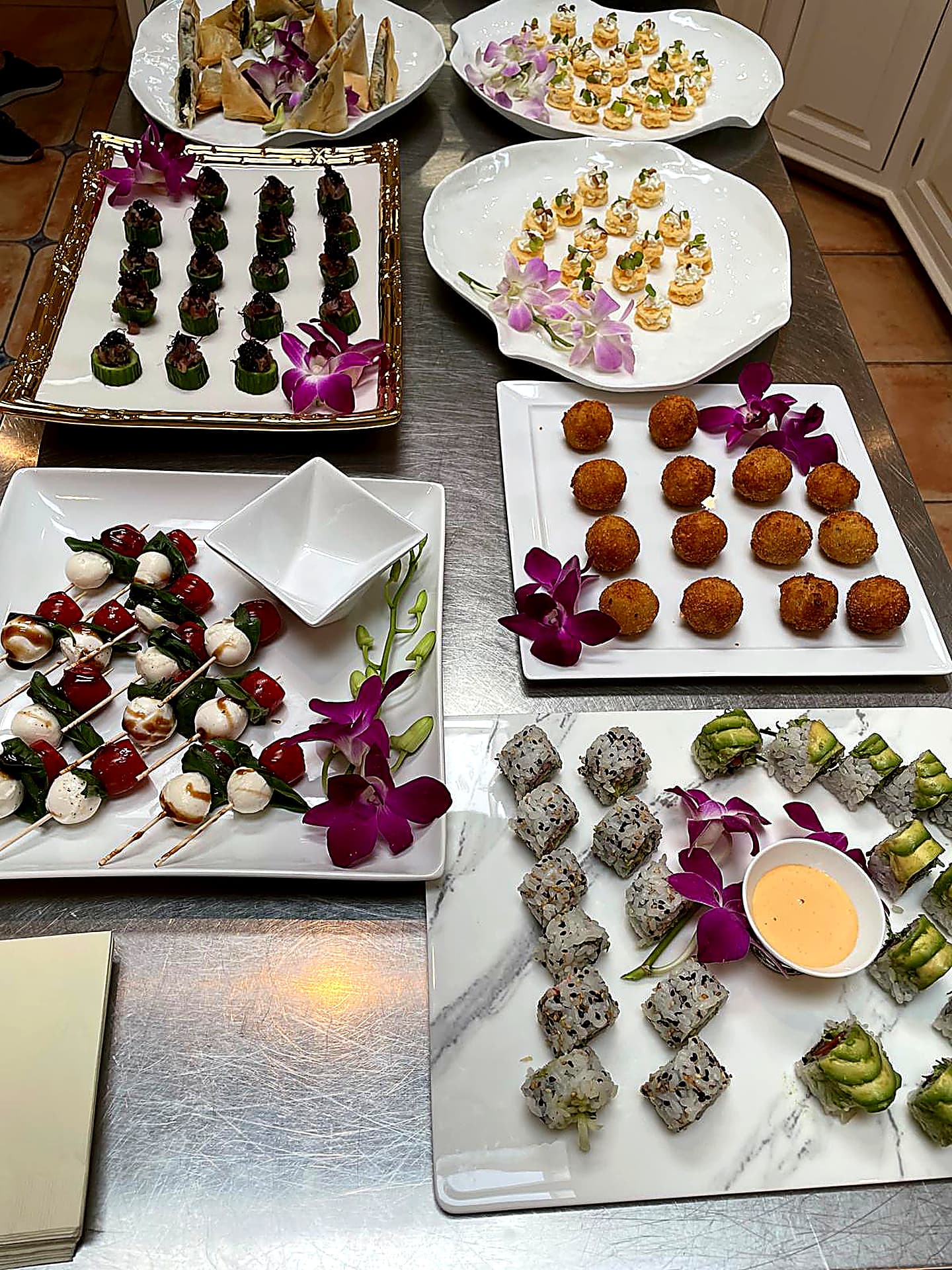
The tasting should also include service elements: how will hors d'oeuvres be presented during cocktail hour? Will passed items be offered on trays, or will stations encourage guests to gather and interact? These decisions shape your guests' experience beyond the food itself.
Finalizing Details Before the Big Day
In the weeks before your wedding, you'll confirm final guest counts, seating arrangements, and timing. I typically request final numbers roughly ten days to two weeks before the event, allowing time to order specialty ingredients while maintaining flexibility for reasonable adjustments.
We'll also confirm vendor meal requirements, establish the meal pacing around your schedule, and address any last-minute concerns. For couples deep in the planning process, this guide on creating a reception menu that resonates offers additional perspective on these final decisions.
The Day Itself: What to Expect From Your Caterer
A professional wedding catering team operates with precision you'll barely notice—and that's precisely the point.
Setup, Execution, and Behind-the-Scenes Coordination
My team arrives hours before the first guest, unloading equipment, establishing stations, and coordinating with the venue. The kitchen transforms into an organized, purposeful space. Final preparations happen with practiced rhythm: proteins rested at perfect temperature, sauces ready for finishing, garnishes prepped for plating.
During service, we monitor the room constantly. Are cocktail trays circulating evenly? Is the timing between courses appropriate for conversation without dragging? Do any guests seem to need assistance? Great catering anticipates needs before they become requests.
Cleanup and Departure
After the final plate clears, we handle breakdown and cleanup according to venue requirements. Rentals are organized for pickup, equipment loaded, and the space returned to its original condition. Couples shouldn't think about catering logistics after their last dance.
Frequently Asked Questions
How far in advance should I book a wedding caterer in South Florida?
Most couples begin conversations with caterers twelve to eighteen months before their wedding date, particularly for peak season events between November and May. Popular dates can book quickly, so early outreach gives you more options. However, I've also worked with couples on shorter timelines when circumstances require flexibility.
What's included in a typical wedding catering package?
Packages vary significantly between caterers. Generally, you can expect food preparation, service staff, and basic coordination. Some caterers include rentals like china and glassware, while others quote these separately. Bar service, cake cutting, and late-night snacks may be additional. Always request itemized proposals to compare effectively.
How do South Florida caterers handle dietary restrictions?
Professional caterers address dietary needs as standard practice. When building your menu, I identify restriction-friendly options within the main courses when possible and create distinct dishes when necessary. Every guest should feel genuinely cared for, not accommodated as an afterthought.
Should I hire a caterer who specializes in weddings or one who does all event types?
Wedding experience matters tremendously—the emotional stakes, timing precision, and coordination complexity differ from corporate events or casual gatherings. However, a caterer who also handles corporate events and private dinners often brings broader creativity and adaptability to your celebration.
Do most caterers provide tastings before booking?
Policies vary. Some caterers offer complimentary tastings after contract signing, while others require deposits or tasting fees. Ask about tasting policies during initial consultations, and understand whether samples will represent your specific proposed menu or simply demonstrate general capability.
Can a caterer help with cuisine styles they don't specialize in?
This requires honest conversation. A caterer should acknowledge the boundaries of their expertise. I'm deeply comfortable with Latin American influences, Mediterranean flavors, and contemporary American cuisine. If a couple wants authentic Thai or traditional Indian food, I'll recommend colleagues whose backgrounds make them better suited to honor those traditions properly.
Finding the Right Partner for Your Celebration
Choosing a wedding caterer in South Florida ultimately comes down to trust—trust that they understand your vision, trust that they'll execute with care, and trust that they'll handle whatever challenges arise with professionalism.
The conversations matter as much as the credentials. Sit across from prospective caterers. Ask about their inspirations, their past challenges, their approach to hospitality. Notice how they listen, whether they ask clarifying questions, how they respond to your ideas. The caterer who cooks your wedding meal will spend months as your partner in planning; that relationship should feel comfortable and collaborative.
For over a decade, I've had the privilege of feeding celebrations across Palm Beach County, Broward, and Miami-Dade—from grand ballroom weddings to intimate backyard gatherings. Each one reminds me why this work matters: the moment a couple tastes their first bite as married partners, surrounded by everyone they love, savoring food prepared with genuine care.
If you're beginning your search for a wedding caterer in South Florida, I'd welcome the chance to hear your story. Explore our catering and private chef services, or reach out directly to schedule a conversation. Let's discuss what would make your wedding meal truly yours.