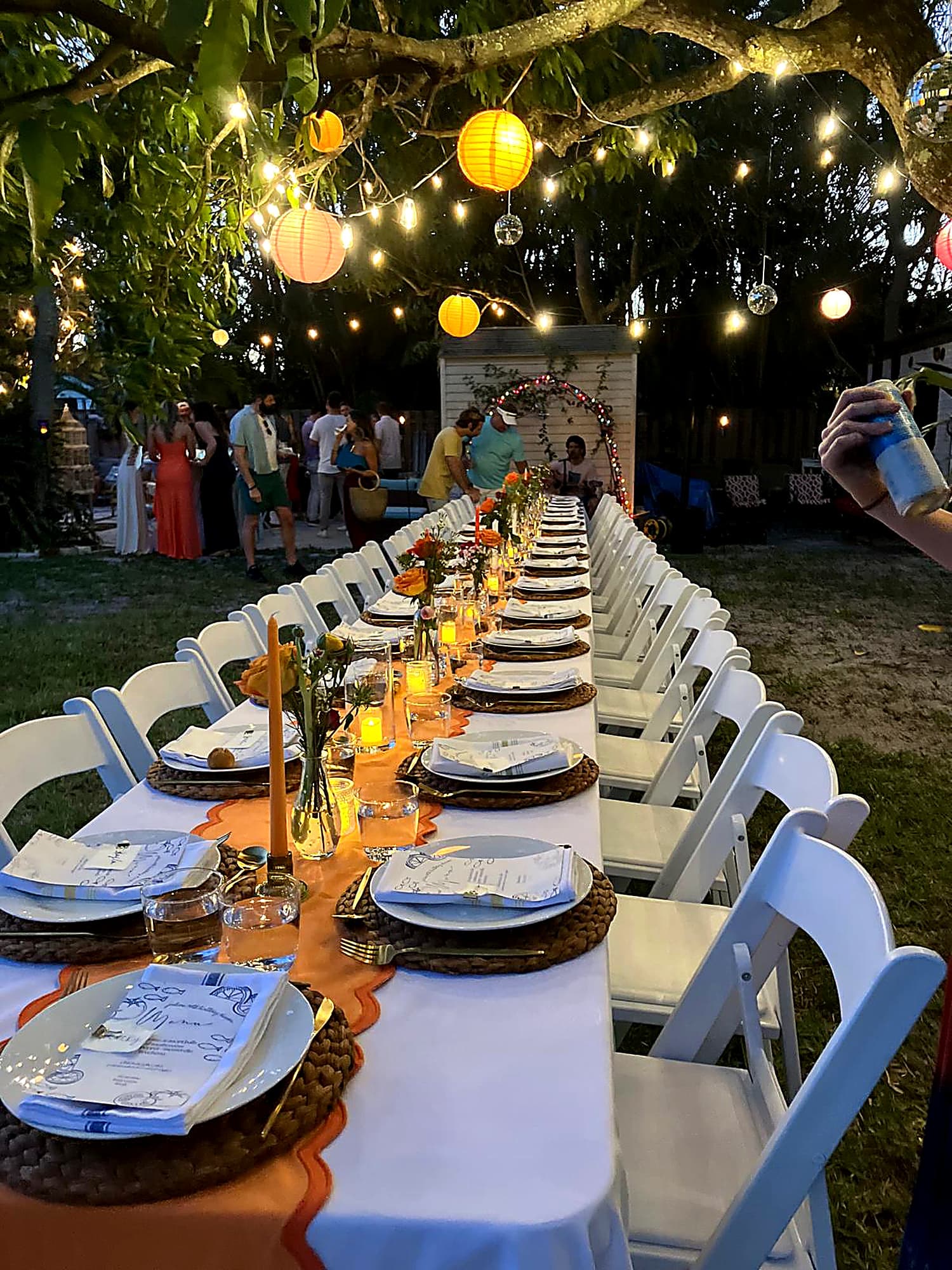
What to Expect From a Wedding Caterer in South Florida: A Chef's Perspective
There is a moment at every wedding reception—usually about twenty minutes after the first course arrives—when the room shifts. Conversations quiet just slightly. Guests lean toward each other, eyes wide, asking, "What is this?" In that moment, food becomes something more than sustenance. It becomes part of the story your guests will tell for years.
Finding the right wedding caterer in South Florida is about more than comparing prices or ticking boxes on a vendor checklist. It's about finding a culinary partner who understands your vision, respects your heritage, and can execute flawlessly in the unique conditions of a Palm Beach garden, a Boca Raton ballroom, or a waterfront estate in Miami-Dade.
In this guide, I'll walk you through exactly what to expect when working with a professional wedding catering team—from the first consultation to the final bite of dessert.
Understanding the South Florida Wedding Catering Landscape
The Region's Culinary Identity
South Florida is not a single place; it's a tapestry of cultures, microclimates, and culinary traditions. When I'm developing menus for couples in West Palm Beach, I'm drawing from a different well than when I'm cooking for a celebration in Coral Gables or Fort Lauderdale.
Our region sits at the crossroads of the Caribbean, Latin America, and the American South. This means your wedding menu can authentically incorporate Cuban mojo-marinated pork, Haitian griot, Peruvian ceviche, or classic Southern shrimp and grits—often at the same celebration. The best wedding catering in South Florida embraces this diversity rather than flattening it into generic "event food."
What Sets Local Caterers Apart
Working with a caterer who truly knows South Florida means working with someone who understands that August humidity affects how quickly passed appetizers need to move from kitchen to guest. It means partnering with a chef who has relationships with local purveyors—the fishing boats in the Keys, the organic farms in Homestead, the specialty importers in Miami.
When you're planning your wedding reception menu, this local expertise translates directly to your plate. Seasonal ingredients arrive at their peak. Preparation methods account for outdoor heat. Service timing adjusts to the realities of a South Florida sunset ceremony.
The Initial Consultation: Where Vision Meets Reality
What Happens at Your First Meeting
The consultation is not a sales pitch—or at least, it shouldn't be. When couples meet with me for the first time, I want to hear about their families, their heritage, the dishes that remind them of childhood, and the flavors they've discovered together as a couple.
I ask questions that might seem unusual for a caterer: Where did you go on your first date? What does Sunday dinner look like at your grandmother's house? Is there a meal you've always dreamed of but never had the occasion to enjoy?
These conversations matter because wedding food should be personal. Anyone can execute a chicken entrée or a beef tenderloin. But creating a menu that tells your specific love story—that requires understanding who you are.
Questions You Should Ask
Come to your consultation prepared. Understanding how to choose the best wedding caterer means asking the right questions:
• How do you handle dietary restrictions and allergies across a large guest list?
• What is your backup plan for outdoor events if weather becomes severe?
• Will you personally oversee our wedding, or will it be delegated to another chef?
• Can you walk me through your staffing ratios for service?
• How do you source your ingredients, and can you accommodate requests for local or sustainable options?
The answers to these questions reveal more than any portfolio photograph ever could.
Menu Development and Tastings
The Art of Building Your Wedding Menu
Building a wedding menu is an exercise in balance. You're considering multiple courses, varied dietary needs, your venue's kitchen capabilities, service style preferences, and—always—the story you want the meal to tell.
I typically begin with the protein centerpiece and work outward. If a couple wants to honor their grandmother's arroz con pollo, we start there and build complementary courses around it. If they fell in love over fresh seafood in the Keys, perhaps we open with a raw bar and build toward a elegant snapper preparation.
The best wedding menus have rhythm. They move from light to rich, from familiar to surprising, from communal to intimate. A passed appetizer hour creates energy and connection. A plated first course settles guests into their seats. The entrée delivers satisfaction, and dessert closes with sweetness—both literal and emotional.
What to Expect at Your Tasting
A proper wedding tasting is not a free dinner—it's a working session. You'll sample dishes, certainly, but you'll also discuss presentation, portioning, sauce consistency, and service temperature.
I encourage couples to bring their parents or a trusted friend whose palate they respect. Wedding tastings can feel overwhelming, and having another perspective helps. Take notes. Photograph each dish. Be honest about what doesn't work, because this is the moment to adjust.
During tastings, we also discuss seasonal availability. A June wedding offers different possibilities than a December celebration. The stone crab season, the availability of Florida citrus, the peak ripeness of local mangoes—these factors should influence your menu, and a good caterer will guide you through those decisions.
Service Styles and Logistics
Plated, Buffet, Family-Style, and Stations
Each service style creates a different energy at your reception. Understanding your options helps you make decisions aligned with your vision.
Plated service offers elegance and control. Each guest receives an identical, beautifully composed plate. This style works wonderfully for formal celebrations where you want every detail curated. The trade-off is less flexibility—guests receive what's served rather than choosing among options.
Buffet service allows variety and abundance. Guests can take what appeals to them and return for favorites. This style feels generous and works well for larger weddings where creating individual plates would slow service. The key is designing a buffet that flows well and keeps food at proper temperatures.
Family-style service creates intimacy. Large platters arrive at each table, and guests serve themselves and each other. I love this style for its warmth—it transforms a meal into an act of community. It works best when your guest count allows tables of reasonable size.
Stations offer interactivity. A carving station, a pasta-to-order station, a raw bar—these create moments of theater and allow guests to customize their experience. Stations work beautifully during cocktail hours or as components of a larger reception design.
Behind-the-Scenes Logistics
What couples often don't see is the infrastructure required to execute flawless wedding catering. Before your celebration, my team conducts a site visit to assess kitchen facilities, electrical capacity, refrigeration access, and service pathways.
For venues without professional kitchens—private estates, beaches, gardens—we bring our own equipment. This might include portable cooking stations, refrigerated trucks, dishwashing setups, and power generators. The complexity increases, and so does the importance of choosing a caterer experienced with off-site execution.
We also coordinate timing with your other vendors. When does your photographer need the couple for sunset portraits? When is the band taking a break? How long is your ceremony expected to run? These details affect when we fire courses, when we pre-plate desserts, and how we staff throughout the evening.
Understanding Wedding Catering Costs
What Influences Your Investment
Wedding catering pricing reflects multiple factors, and understanding them helps you budget realistically. The primary variables include:
Guest count is the most obvious factor. But per-person pricing changes based on total numbers—a 50-person wedding has different economics than a 200-person celebration.
Menu complexity matters significantly. A menu featuring dry-aged beef, imported cheeses, and handmade pastas costs more than one built around locally abundant ingredients prepared simply.
Service style affects staffing needs. Plated service requires more servers per guest than buffet service.
Venue type influences preparation requirements. A well-equipped hotel kitchen requires less additional infrastructure than a beachfront celebration.
Beverage service—whether your caterer handles bar service, the range of wines you select, whether you're offering a signature cocktail—adds another dimension to pricing.
For detailed guidance on budgeting, I've written extensively about event catering costs in South Florida. That resource walks through specific price ranges and what to expect at various investment levels.
How to Read a Catering Proposal
A professional proposal should clearly itemize what's included. Beyond per-person food costs, look for:
• Staffing (servers, bartenders, kitchen staff)
• Rentals (linens, china, flatware, glassware)
• Setup and breakdown time
• Service charges and gratuities
• Delivery and transportation fees
• Tastings (how many, for how many guests)
If a proposal seems vague or bundles everything into a single number, ask for clarification. You deserve to know exactly what you're paying for.
Working With Your Caterer Through the Planning Process
Communication Expectations
After signing a contract, you should know exactly how and when you'll communicate with your catering team. Some caterers assign a dedicated coordinator. Others, particularly smaller operations like mine, keep the chef directly involved throughout.
Establish a timeline together. When is the final menu due? When is the final guest count needed? When should dietary restrictions be submitted? A good caterer will provide these milestones clearly and check in proactively as each approaches.
Handling Last-Minute Changes
Weddings are dynamic. Guest counts shift. Dietary needs emerge. Venue circumstances change. An experienced caterer builds flexibility into their planning.
That said, there are limits. Adding 30 guests a week before the wedding creates sourcing and staffing challenges. Switching proteins requires new tastings and pricing adjustments. Communicate changes as early as possible, and understand that some modifications may not be feasible without timeline accommodation.
The planning process should feel collaborative, not transactional. You're building a relationship with someone who will help create one of the most important meals of your life.
Frequently Asked Questions
How far in advance should I book a wedding caterer in South Florida?
For peak wedding season—October through May in South Florida—I recommend securing your caterer 12 to 18 months before your date, particularly for weekend celebrations. For off-season weddings or weekday events, 6 to 9 months is often sufficient. Popular caterers book early, and you want time for thoughtful menu development rather than rushing.
Can a South Florida wedding caterer accommodate multiple dietary restrictions?
Absolutely. At any wedding, we expect guests with allergies, religious dietary laws, vegetarian preferences, and medical restrictions. During the planning process, we create systems to track these needs and prepare designated plates. The key is collecting accurate information from your guests and communicating it clearly to your catering team.
What's the difference between a caterer and a private chef for weddings?
A catering company typically operates with standardized menus and scalable systems. A private chef—or chef-driven catering operation—offers more customization and often more direct involvement from the chef who designs your menu. Both can execute beautiful weddings; the difference lies in personalization and the relationship you want with the person cooking your food.
How does outdoor wedding catering differ in South Florida?
Our climate demands specific considerations: heat-stable preparations, covered service areas, insulated transport, and faster service pacing for passed items. We plan for afternoon rain during summer months and adjust timing accordingly. We also consider how dishes look under various lighting conditions, particularly important for golden-hour outdoor service.
Should I do a tasting before booking my caterer?
Most caterers require a signed contract before scheduling a private tasting, and this is reasonable—tastings require significant time and ingredient investment. However, you can evaluate a caterer through consultations, reviewing their portfolio, reading reviews, and asking for references before committing. The tasting itself is a refinement session, not an audition.
What questions should I ask references from previous wedding clients?
Ask about communication during the planning process, flexibility when challenges arose, how the food tasted and looked during actual service, whether the team handled the timeline smoothly, and whether there were any surprises—positive or negative—on the wedding day.
Bringing Your Wedding Meal to Life
Food has the power to transport us. The right meal at your wedding won't just taste good—it will feel like an extension of your love story, a gift you're giving to the people who have supported your relationship.
Finding the right wedding caterer in South Florida is about finding someone who understands this. Someone who asks good questions, listens carefully, and translates your answers into flavors and moments that resonate.
Across Palm Beach, Broward, and Miami-Dade, couples have trusted me to create these meals—intimate private-chef dinners for twenty, grand celebrations for three hundred, and everything in between. Each wedding teaches me something new about family, heritage, and the remarkable power of gathering around a table together.
If you're beginning your search for wedding catering, I would be honored to learn about your celebration. Explore our full range of catering and private chef services, or reach out directly to schedule a consultation. Let's talk about your story—and the meal that will help you tell it.