Finding the Right Wedding Caterer in South Florida: An Insider's Perspective
When I first moved to West Palm Beach, I was struck by how many couples told me the same story: they'd visited a venue, tasted a few bites of rubbery chicken, signed a contract, and hoped for the best. Months later, they stood at their own reception wondering why the food felt like an afterthought at the most important celebration of their lives.
Choosing a wedding caterer in South Florida shouldn't feel like a gamble. Yet for many couples planning celebrations across Palm Beach, Broward, and Miami-Dade, the process remains mysterious—shrouded in industry jargon, unclear pricing, and menus that read more like restaurant advertisements than genuine culinary experiences.
This guide walks you through what actually happens when you work with a dedicated wedding caterer, what questions reveal the most about a team's capabilities, and how to ensure your reception meal becomes something guests genuinely remember.
Understanding What Wedding Catering Actually Involves
There's a common misconception that wedding catering is simply cooking in larger quantities. In reality, executing a beautiful wedding meal requires coordinating logistics that most couples never see—and that many vendors never fully explain.
The Difference Between Venue Catering and Independent Caterers
Many South Florida wedding venues offer in-house catering or preferred vendor lists. This can simplify planning, but it also limits your options. Venue caterers often work from fixed menus designed for efficiency rather than personalization. They may serve hundreds of events each year, which means your celebration might receive less individualized attention.
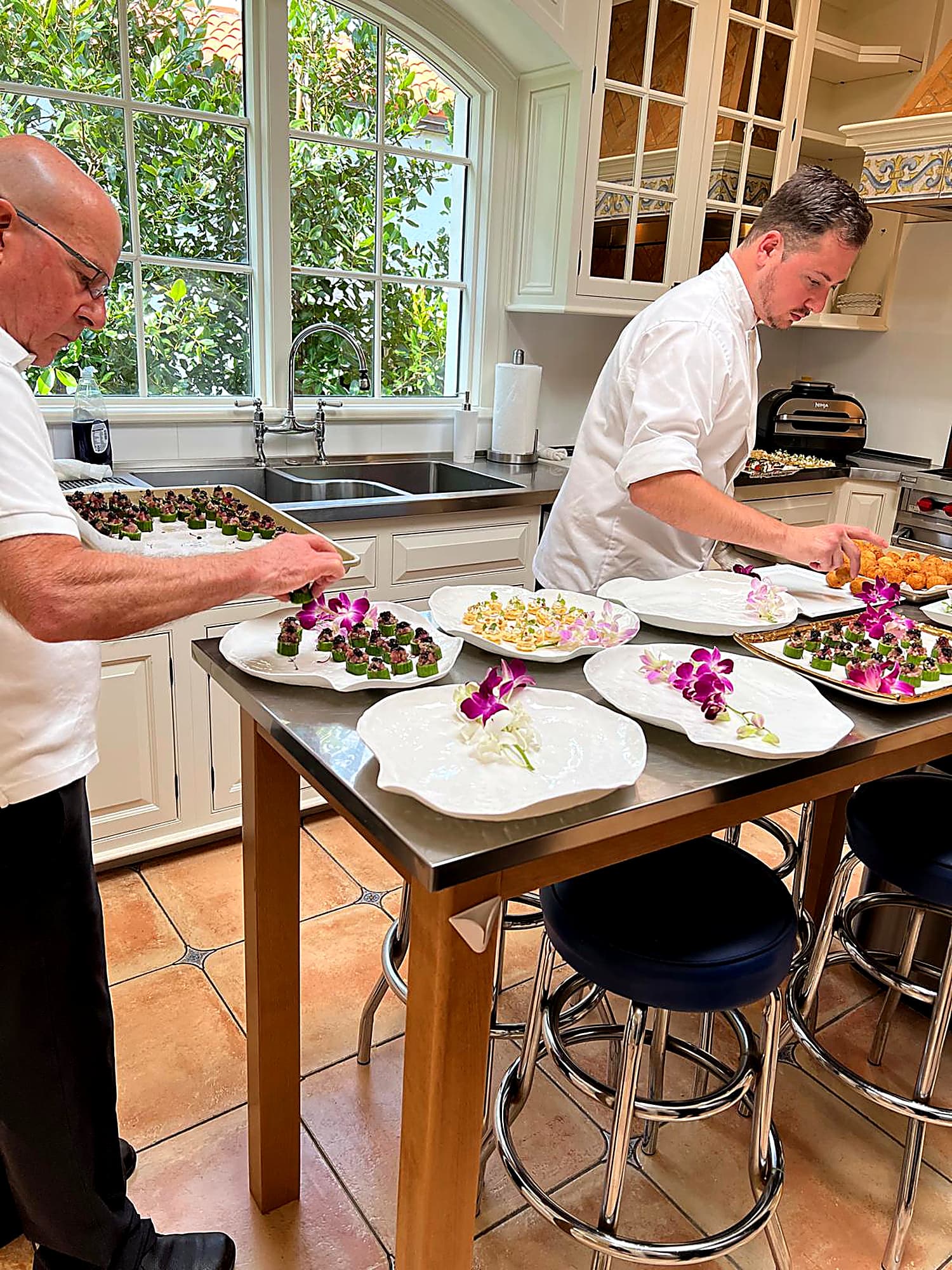
Independent wedding caterers and private chefs, by contrast, typically work with fewer clients simultaneously. This model allows for deeper collaboration—building menus around your heritage, your favorite ingredients, or that dish your grandmother used to make. When I'm working with a couple in Boca Raton or a family hosting in Miami, I'm not pulling from a preset list. We're creating something together.
What Happens Before Your Wedding Day
The months leading up to your celebration involve far more than you might expect. A thorough caterer will want to understand your venue's kitchen capabilities (or lack thereof), your guest count and demographic, any dietary restrictions, your aesthetic vision, and the flow of your evening.
Tasting sessions should feel like conversations, not sales pitches. You're evaluating flavor, presentation, and whether this person understands your vision. Pay attention to how they respond to feedback. Do they become defensive, or do they ask thoughtful follow-up questions?
For couples exploring what this process looks like in detail, I've written separately about how to choose the best wedding caterer in South Florida—covering everything from contract red flags to questions most couples forget to ask.
Building a Menu That Reflects Your Story
Food carries memory differently than photographs or music. A particular spice blend can transport you to a childhood kitchen. A perfectly seared fish might echo a first date. The best wedding menus honor these connections.
Incorporating Cultural Heritage and Family Traditions
South Florida weddings are beautifully diverse. In any given month, I might prepare a traditional Cuban lechón for a Little Havana family, craft a kosher-style menu for a celebration in Palm Beach Gardens, or design a fusion approach for a couple whose backgrounds span continents.
The key is listening. Not every couple wants their heritage on display—some prefer something entirely new. Others want their grandmother's empanada recipe elevated for a formal plated service. Neither approach is wrong. What matters is that the menu feels authentic to you.
Seasonal Ingredients and South Florida's Culinary Calendar
Florida's growing seasons differ dramatically from the rest of the country. Our winter—November through March—brings the best tomatoes, citrus, and tropical fruits. Summer offers mangoes, lychees, and hearts of palm. Planning your menu around what's genuinely in season means better flavor and often better value.
I've explored this topic more thoroughly in a piece about cooking with the seasonal calendar in South Florida. For couples planning winter weddings in West Palm Beach or spring celebrations in Fort Lauderdale, understanding seasonality transforms menu planning from a checklist into an opportunity.
Balancing Guest Preferences with Culinary Vision
Modern weddings often navigate complex dietary landscapes. Vegan aunts. Gluten-free groomsmen. A father-in-law who "only eats meat and potatoes."
The solution isn't offering a separate menu for every preference—that fractures the experience. Instead, thoughtful caterers build menus with inherent flexibility. A beautifully composed salad that happens to be vegan. A protein served with a naturally gluten-free grain. Dishes that satisfy restrictive diets while still feeling like integral parts of the meal rather than afterthoughts.
Service Styles and How They Shape the Guest Experience
How food arrives at the table affects your wedding's atmosphere as much as the food itself. This decision deserves more attention than many couples give it.
Plated Dinner Service
Plated service offers elegance and control. Guests remain seated while courses arrive in sequence, allowing you to curate exactly what each person experiences. This style works beautifully for intimate weddings where you want a restaurant-quality presentation.
The tradeoff: plated dinners require more staff, precise timing, and venues with adequate kitchen space. They also extend your dinner service timeline, which affects your dancing and entertainment schedule.
Family Style Service
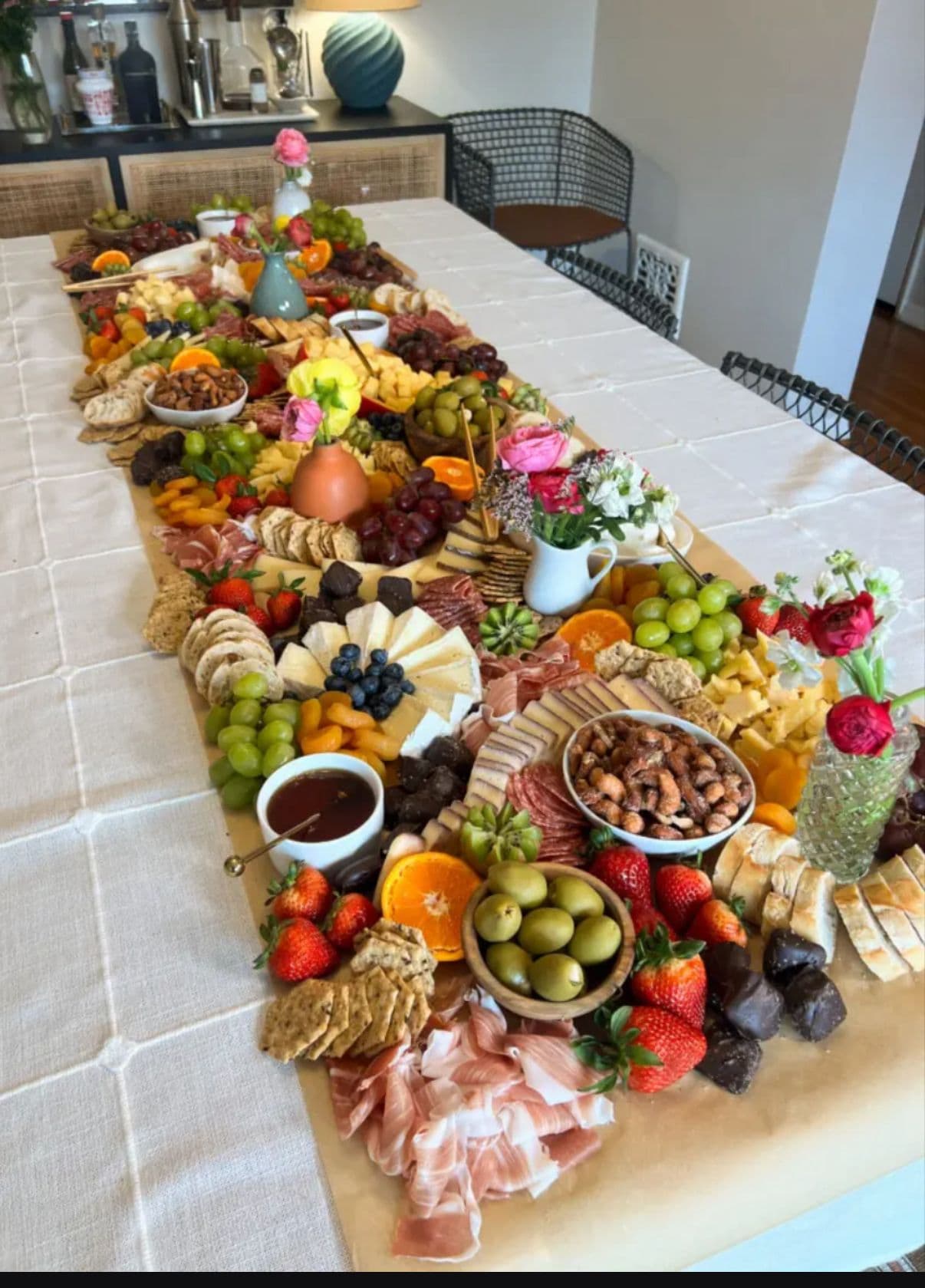
Platters arrive at each table, and guests serve themselves and one another. This approach encourages conversation, evokes warmth, and often allows for greater menu variety within the same budget.
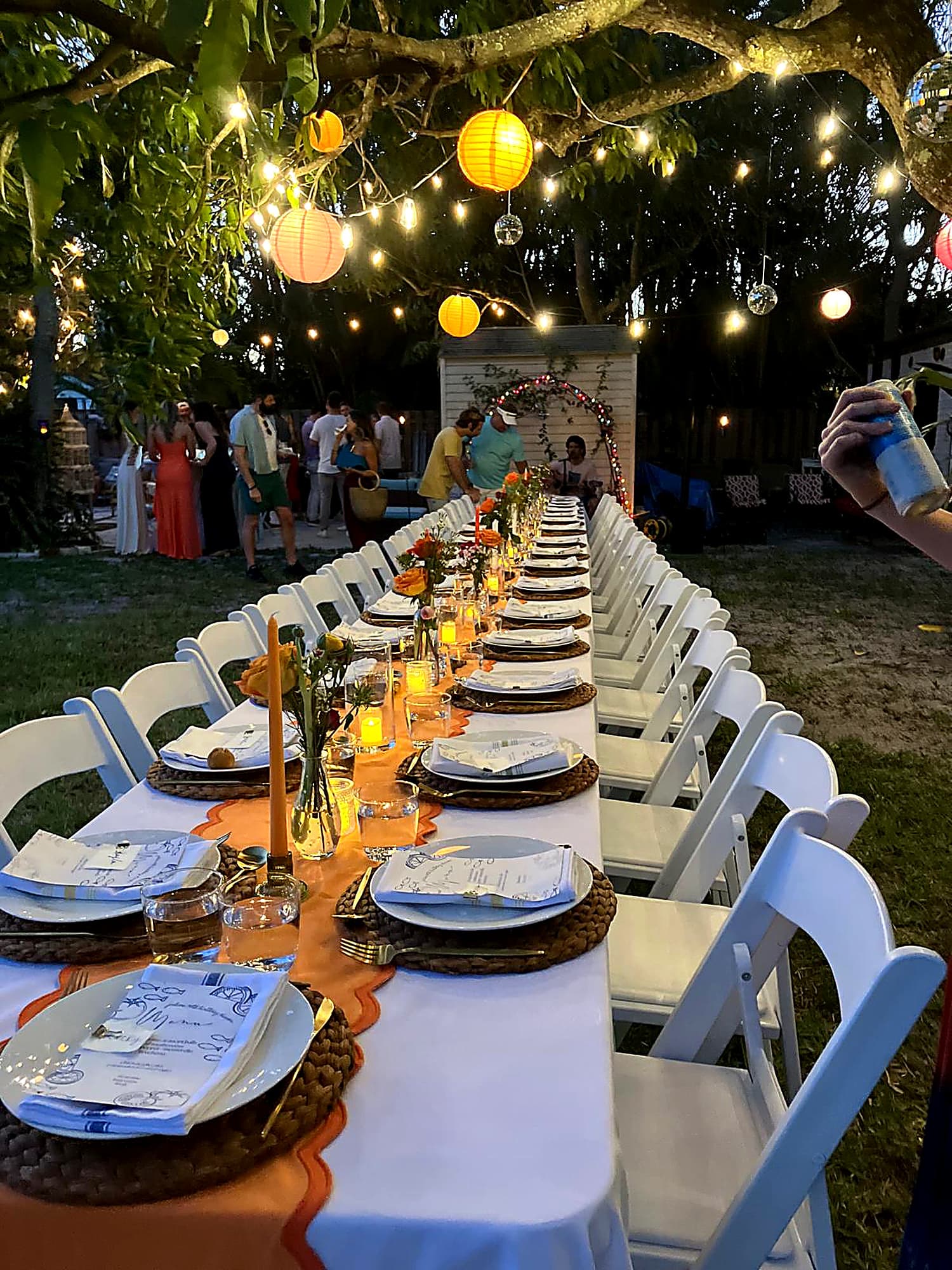
Family style suits celebrations where you want the meal to feel communal rather than formal. It's particularly popular for South Florida backyard weddings and estate celebrations where the atmosphere is relaxed but the food remains elevated.
Stations and Interactive Dining
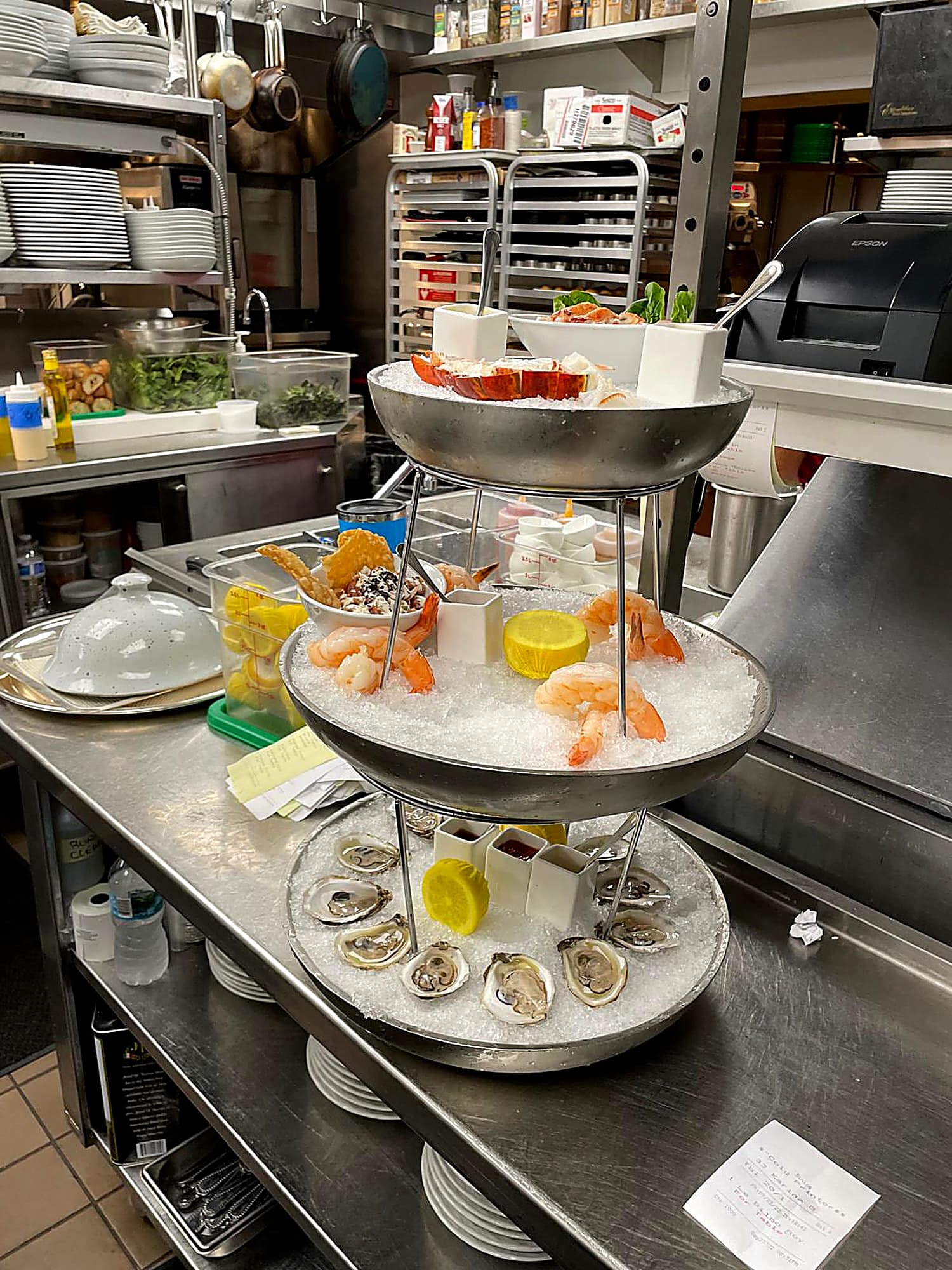
Food stations allow guests to wander, explore, and customize. A raw bar near the waterfront. A carving station with herb-crusted tenderloin. A pasta station where guests watch their dish come together.
This format creates energy and movement but requires thoughtful floor planning to avoid bottlenecks. Stations work exceptionally well for cocktail-style receptions or celebrations with larger guest counts.
For couples still weighing these options, I've written extensively about building a wedding reception menu guests actually remember, including how service style affects both budget and guest experience.
The Logistics That Make or Break Wedding Catering
Behind every beautiful plate is a web of logistics invisible to guests. Understanding these elements helps you ask better questions and avoid unpleasant surprises.
Venue Coordination and Kitchen Requirements
Not every stunning venue has an adequate kitchen. Some have none at all. A skilled wedding caterer assesses these limitations early and plans accordingly—bringing mobile equipment, coordinating prep schedules, and ensuring food safety regardless of the setting.
If you're considering a waterfront estate in Palm Beach or an art gallery in Wynwood, ask potential caterers about their experience with similar venues. Their answers reveal whether they'll problem-solve gracefully or create chaos on your wedding day.
Staffing and Service Quality
The people serving your guests matter immensely. Professional servers anticipate needs, refill water glasses without being asked, and disappear into the background while remaining attentive. Inexperienced staff—no matter how beautiful the food—can undermine the entire experience.
Ask caterers how they staff events. Do they use trained employees or hire temporary workers per event? How do they handle unexpected challenges? The best wedding catering teams have worked together repeatedly and communicate silently during service.
Timeline Integration with Other Vendors
Your caterer must coordinate with your photographer, DJ, and wedding planner. Dinner service can't happen during sunset portraits. The cake cutting needs to align with kitchen dessert prep. First dances shouldn't coincide with passed appetizers.
Experienced caterers understand these interdependencies and communicate proactively with your vendor team. This coordination often happens without your involvement—as it should—but asking about their process during initial consultations reveals their professionalism.
What to Expect When Discussing Wedding Catering Costs
Budget conversations make many couples uncomfortable, but transparency serves everyone better than vague estimates.
Understanding What Influences Pricing
Wedding catering pricing reflects numerous variables: guest count, menu complexity, service style, staff requirements, equipment rentals, venue logistics, and timeline demands. Two weddings with identical guest counts might have dramatically different costs based on these factors.
Rather than fixating on per-person pricing, focus on what's included. Does the quote cover servers, bartenders, and rentals? Who provides linens, glassware, and flatware? Are gratuities included or expected separately?
For a deeper exploration of these questions, I've outlined what event catering typically costs in South Florida, including factors that influence pricing and questions that help you compare vendors accurately.
Deposits, Payment Schedules, and Contracts
Most wedding caterers require deposits to secure your date, with the balance due before your event. Review contracts carefully. Understand cancellation policies, how guest count adjustments affect pricing, and what happens if circumstances change.
A contract should protect both parties. If terms feel one-sided or confusing, ask questions before signing. Reputable caterers welcome this scrutiny—it demonstrates that you're approaching the relationship thoughtfully.
Questions That Reveal a Caterer's True Capabilities
During consultations, certain questions illuminate more than others. These aren't gotcha questions but genuine inquiries that help you understand who you're trusting with your celebration.
Questions About Their Process
• "Walk me through what happens on the day of my wedding from your team's perspective."
• "How do you handle a last-minute dietary restriction we didn't know about?"
• "What's the most challenging wedding you've catered, and what made it difficult?"
Questions About Their Food Philosophy
• "How do you decide what goes on a menu?"
• "Where do you source your proteins and produce?"
• "What's a dish you love making but clients rarely request?"
The answers matter less than the thoughtfulness behind them. A caterer who lights up discussing ingredient sourcing or stumbles through explaining their process tells you something valuable about their priorities.
Frequently Asked Questions About Wedding Caterers in South Florida
How far in advance should I book a wedding caterer in South Florida?
Peak wedding season in South Florida runs from October through May, when the weather is most hospitable for outdoor celebrations. Popular caterers often book six to twelve months in advance during this period. If your wedding falls on a Saturday during high season, securing your caterer early protects your date. Off-season weddings offer more flexibility, but beginning conversations at least four to six months ahead ensures adequate planning time.
Do wedding caterers provide rentals like tables, chairs, and linens?
Policies vary significantly. Some caterers coordinate all rentals, building those costs into your overall quote. Others focus exclusively on food and service, leaving rentals to your planner or a separate vendor. Clarify this early, as it affects both your budget and your planning workload. Many couples find that caterers who handle rentals simplify logistics, though working with separate rental companies may offer more selection.
Can a wedding caterer accommodate multiple dietary restrictions simultaneously?
Experienced caterers regularly navigate complex dietary landscapes—vegetarian, vegan, gluten-free, kosher-style, halal, and allergy-conscious menus can often coexist within a thoughtfully designed celebration. The key is communication. Provide your caterer with detailed information early, and discuss how restrictions will be handled without making affected guests feel singled out. The best solutions integrate accommodations seamlessly rather than creating separate "special" meals.
What's the difference between a wedding caterer and a private chef for weddings?
The terms sometimes overlap. Traditional catering companies often operate at higher volume with standardized processes. Private chefs typically offer more personalized service, developing custom menus and sometimes cooking on-site throughout the evening. For intimate weddings or celebrations where culinary experience is paramount, a private chef approach delivers a different energy—more restaurant-like, with visible attention to each plate. For larger celebrations, a catering team structure may serve logistics better while still maintaining quality.
How do tastings work with wedding caterers?
Most caterers offer tastings after initial consultations, once they understand your vision and preferences. Tastings typically feature menu items you're genuinely considering, prepared as they would be on your wedding day. Some caterers charge for tastings and credit that amount toward your final invoice if you book. Treat tastings as working sessions—take notes, provide feedback, and observe how the caterer responds to your input.
Should the wedding caterer meet our other vendors beforehand?
Coordination between vendors prevents day-of confusion. While formal meetings aren't always necessary, your caterer should communicate with your wedding planner, venue coordinator, and any vendors whose timelines intersect with food service. The weeks before your wedding often involve email threads, timeline documents, and brief phone calls ensuring everyone operates from the same playbook.
Creating a Celebration Worth Remembering
Wedding catering, done well, becomes invisible in the best way. Guests don't analyze technique or scrutinize plating. They simply feel cared for—nourished, welcomed, and present in a moment of genuine celebration.
Finding the right wedding caterer in South Florida means finding someone who understands this. Someone who listens more than they pitch. Someone who treats your celebration with the seriousness it deserves while still finding joy in the work.
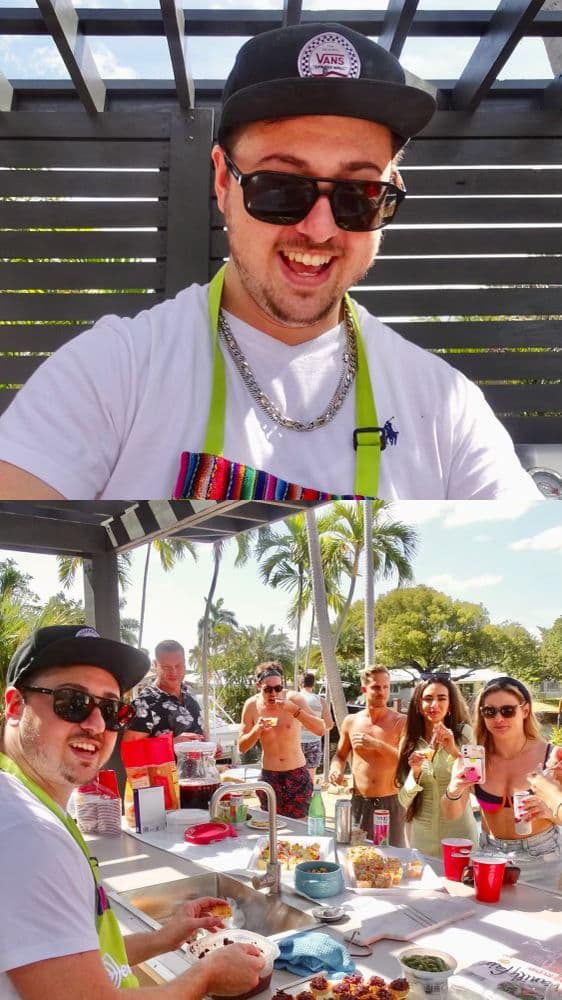
If you're beginning this search—whether planning an intimate dinner on Palm Beach Island, a waterfront celebration in Fort Lauderdale, or a grand reception in Miami—I'd welcome the chance to learn about your vision. Explore our catering and private chef services to understand how we approach these celebrations, then reach out to begin a conversation. The best partnerships start with honest dialogue about what you hope to create.
Your wedding meal can be more than sustenance between ceremony and dancing. It can be a genuine expression of who you are and what matters to you. That's worth pursuing thoughtfully.