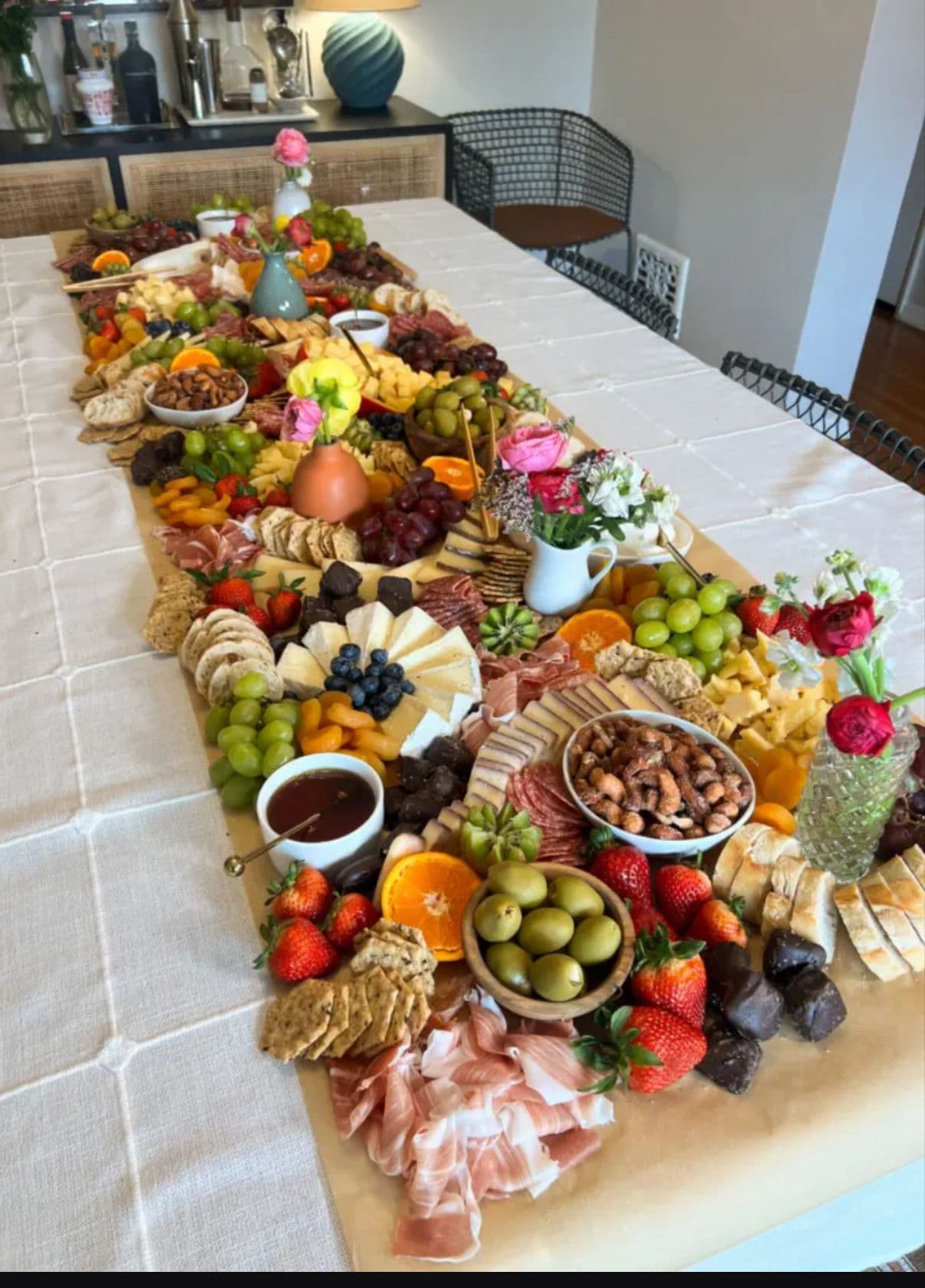
Finding the Right Wedding Caterer in South Florida: A Chef's Perspective on the Journey
Planning a wedding in South Florida means making hundreds of decisions, but few carry as much weight as choosing who will feed your guests. The meal you serve isn't just sustenance—it's the centerpiece of your celebration, the moment when everyone gathers, conversations flow, and the atmosphere shifts from ceremony to joy. Yet many couples approach the search for a wedding caterer in South Florida feeling overwhelmed, unsure what to ask, or uncertain what the process should even look like.
I've spent years cooking for weddings across West Palm Beach, Boca Raton, Fort Lauderdale, and Miami, and I've seen how the right culinary partnership transforms an event. In this guide, I'll walk you through what to genuinely expect when working with a wedding caterer—from your first conversation to the final plate.
Understanding What Wedding Catering Actually Involves
Before diving into the search, it helps to understand that wedding catering encompasses far more than preparing food. A skilled culinary team becomes a partner in your celebration, handling logistics, timing, dietary needs, and presentation in ways that most guests never see but absolutely feel.
The Scope of Full-Service Wedding Catering
When you hire a wedding caterer, you're typically engaging a team that handles menu development, ingredient sourcing, preparation, service staffing, and often coordination with your venue and other vendors. In South Florida, where outdoor venues and waterfront settings present unique challenges—heat, humidity, timing around sunset—your caterer must understand how to execute flawlessly in these conditions.
Full-service catering means your caterer manages everything from the cocktail hour through the final course, coordinating with your DJ or band on timing, ensuring dietary restrictions are accommodated without fanfare, and presenting each dish in a way that honors both the food and the occasion.
The Difference Between Caterers and Private Chefs
Some couples in South Florida choose to work with a private chef rather than a traditional catering company. The distinction matters. A private chef often brings a more personalized, intimate approach—crafting menus specifically around your story, your heritage, and the ingredients you love. This works beautifully for smaller weddings or couples who want their meal to feel like an extension of their home rather than a contracted service.
Traditional catering companies excel at scale and logistics, often serving hundreds of guests with practiced efficiency. The best approach depends on your guest count, venue, and how personal you want the culinary experience to feel. For our catering and private chef services, I blend both worlds—bringing the soul of a private chef to events of varying sizes.
Starting the Conversation: Your Initial Consultation
The first meeting with a potential wedding caterer should feel like a conversation, not a sales pitch. A good caterer listens more than they talk in this first encounter, because understanding your vision requires absorbing details that menus alone can't capture.
What to Bring to Your First Meeting
Come prepared with your venue details, an estimated guest count, and a rough sense of your budget. But don't worry about having everything figured out—part of a caterer's job is helping you discover what you want. Think about the feeling you're hoping to create. Is it a barefoot beach celebration with family recipes? A sleek rooftop affair overlooking downtown West Palm Beach? An intimate garden dinner where every ingredient tells a story?
Also consider whether cultural traditions or family dishes hold significance. I love when couples want to incorporate their heritage—whether that's a grandmother's arroz con pollo, a traditional Nigerian jollof rice, or a Jewish brisket that's been in the family for generations.
Questions Worth Asking Your Caterer
Beyond pricing and logistics, ask about their cooking philosophy. Where do they source ingredients? How do they handle dietary restrictions—not just as checkboxes but as opportunities for creativity? What happens if there's a last-minute change in guest count or venue?
Ask to hear about a wedding that didn't go as planned and how they handled it. Kitchens face fires, both literal and figurative. What matters is how a chef responds when things go sideways.
The Tasting Experience: More Than Just Sampling Food
The tasting is one of the most enjoyable parts of the wedding catering process, but it serves a purpose beyond pleasure. This is where you evaluate whether a caterer's cooking resonates with you and whether the collaborative relationship feels right.
What a Professional Tasting Reveals
A thoughtful tasting isn't about impressing you with elaborate plating—it's about demonstrating range, technique, and attention to flavor. Pay attention to balance in each dish. Does the caterer understand acidity, salt, richness? Is there creativity without pretension?
In South Florida, I always encourage couples to taste dishes that reflect our region's bounty. Fresh Gulf seafood, tropical fruits, citrus that actually tastes like citrus—these ingredients shine when treated with respect. A good local caterer understands seasonal availability and builds menus around what's genuinely excellent right now.
Providing Honest Feedback
This is your wedding, so speak up. If something doesn't work for you, say so—not harshly, but clearly. A skilled chef welcomes feedback because it helps create the meal you actually want. If a caterer seems defensive or dismissive about adjustments, that tells you something important about what working with them will feel like.
Building Your Wedding Menu
Menu development is where the real collaboration happens. This process should feel creative and personal, resulting in a meal that reflects who you are as a couple.
Balancing Guest Preferences and Culinary Vision
Your menu needs to satisfy diverse palates while maintaining coherence. This doesn't mean playing it safe—it means being thoughtful. Consider offering one familiar, crowd-pleasing option alongside something more adventurous. Think about your guests' demographics: will there be many children? Elderly relatives with specific dietary needs? Colleagues who might be more conservative eaters?
The best wedding menus tell a story. Maybe your appetizers reflect where you first met, your main course celebrates your shared travels, and your dessert nods to family tradition. This kind of intentionality creates a meal that guests remember long after they leave. For more on creating memorable wedding meals, explore our guide on building a reception menu guests actually remember.
Accommodating Dietary Restrictions Gracefully
Every wedding has guests with dietary needs—vegetarian, vegan, gluten-free, kosher, halal, allergies. The question isn't whether your caterer can accommodate these but how elegantly they do it. A separate "special meal" handed to someone at a table full of standard plates can feel isolating.
I approach dietary restrictions as design challenges, not inconveniences. The vegetarian option should be so compelling that meat-eaters feel a twinge of envy. The gluten-free dessert should taste intentional, not like a compromise. When restrictions are handled beautifully, affected guests feel cared for rather than othered.
Wedding Day Logistics and Execution
On your wedding day, you shouldn't have to think about the food. A skilled wedding caterer manages everything behind the scenes, coordinating with your venue, other vendors, and timeline to ensure seamless execution.
Timeline Coordination and Service Flow
The rhythm of a wedding reception matters enormously. Cocktail hour sets the tone, dinner brings everyone together, and late-night bites keep the party going. Your caterer should understand how food service interacts with toasts, first dances, and other programming.
In South Florida's outdoor venues, timing becomes even more critical. We think about sunset—when the light is golden and photos are happening—and plan service to complement rather than compete with those moments. We consider heat and how it affects both food presentation and guest comfort.
Working With Your Venue and Other Vendors
Experienced wedding caterers have relationships with local venues across Palm Beach, Broward, and Miami-Dade counties. We know which kitchens are fully equipped and which require us to bring additional resources. We coordinate with florists on table settings, with planners on timing, and with venues on load-in logistics.
This vendor ecosystem matters because weddings involve dozens of moving pieces. Your caterer should communicate proactively with your other vendors, solving problems before they reach you.
The Investment: Understanding Wedding Catering Value
Catering typically represents a significant portion of a wedding budget, and couples deserve transparency about what they're paying for and why quality matters.
What Drives Catering Costs
Ingredient quality makes an enormous difference. Local, sustainable, high-quality proteins and produce cost more than mass-produced alternatives—but they taste dramatically better. Labor costs reflect skilled culinary professionals who've spent years developing their craft. Service staff ratios affect how smoothly your reception flows.
Beyond the obvious, costs cover planning meetings, tastings, rental coordination, transportation, and the countless hours of preparation that happen before your wedding day. When evaluating quotes, ask what's included and what isn't. Some caterers price all-inclusively; others itemize extensively.
Recognizing Value Beyond Price
The cheapest caterer is rarely the best value. One undercooked protein, one hour-long delay in service, one ignored dietary restriction can overshadow everything else about your wedding. Conversely, a meal that genuinely delights your guests—that prompts them to seek out the chef, to ask for recipes, to remember flavors months later—creates lasting positive associations with your celebration.
When considering how much event catering costs in South Florida, think about the experience you're creating, not just the line items you're purchasing.
Frequently Asked Questions About Wedding Catering in South Florida
How far in advance should we book a wedding caterer in South Florida?
Most couples begin their catering search eight to twelve months before their wedding date, though this varies by season. South Florida's peak wedding season—October through April—fills quickly, so earlier is generally better. That said, skilled caterers can often accommodate shorter timelines if schedules align.
What's typically included in a wedding catering package?
Comprehensive packages usually include menu planning, tastings, food preparation, service staff, basic tableware and linens, and day-of coordination. Some caterers include bar service; others separate it. Always clarify what's included versus additional—particularly rentals, gratuity, and setup/breakdown fees.
Can a caterer accommodate multiple dietary restrictions at a wedding?
Absolutely. Experienced wedding caterers regularly prepare meals that accommodate vegetarian, vegan, gluten-free, kosher, halal, and allergy-specific needs simultaneously. The key is communicating these needs early so your caterer can design a menu that serves everyone beautifully, not as an afterthought.
Do caterers provide staff for serving at South Florida weddings?
Full-service caterers include trained service staff as part of their offering. This typically includes servers, bartenders if beverage service is included, and often a captain or manager who coordinates timing with your event planner or DJ. Staff-to-guest ratios vary but should be discussed during your initial consultation.
What questions should we ask during a catering tasting?
Ask about ingredient sourcing, seasonal adjustments to the menu, how dishes will be plated and presented at scale, and what contingency plans exist for common challenges. Also pay attention to how the chef talks about food—passion and knowledge are evident in conversation, not just cooking.
How do South Florida's outdoor venues affect wedding catering?
Heat, humidity, and distance from kitchen facilities all require adaptation. Experienced South Florida caterers know how to keep food safe and beautiful in outdoor conditions, use appropriate chafing and cooling equipment, and time service to work with weather and lighting. Always ask how a caterer has handled outdoor events in our climate.
Creating Your Celebration
Choosing a wedding caterer in South Florida is ultimately about finding a culinary partner who understands both the craft of cooking and the significance of your celebration. The best meals emerge from genuine collaboration—your stories, your tastes, and your heritage combined with a chef's skill, creativity, and deep understanding of hospitality.
When the meal is right, your guests won't just eat—they'll pause, look up, and connect. That's the moment I cook for, whether serving a hundred guests at a waterfront estate or an intimate gathering in a Palm Beach garden.
If you're planning a wedding and want to discuss what's possible, I'd welcome the conversation. Reach out to start planning, and let's explore how we can make your celebration delicious.